
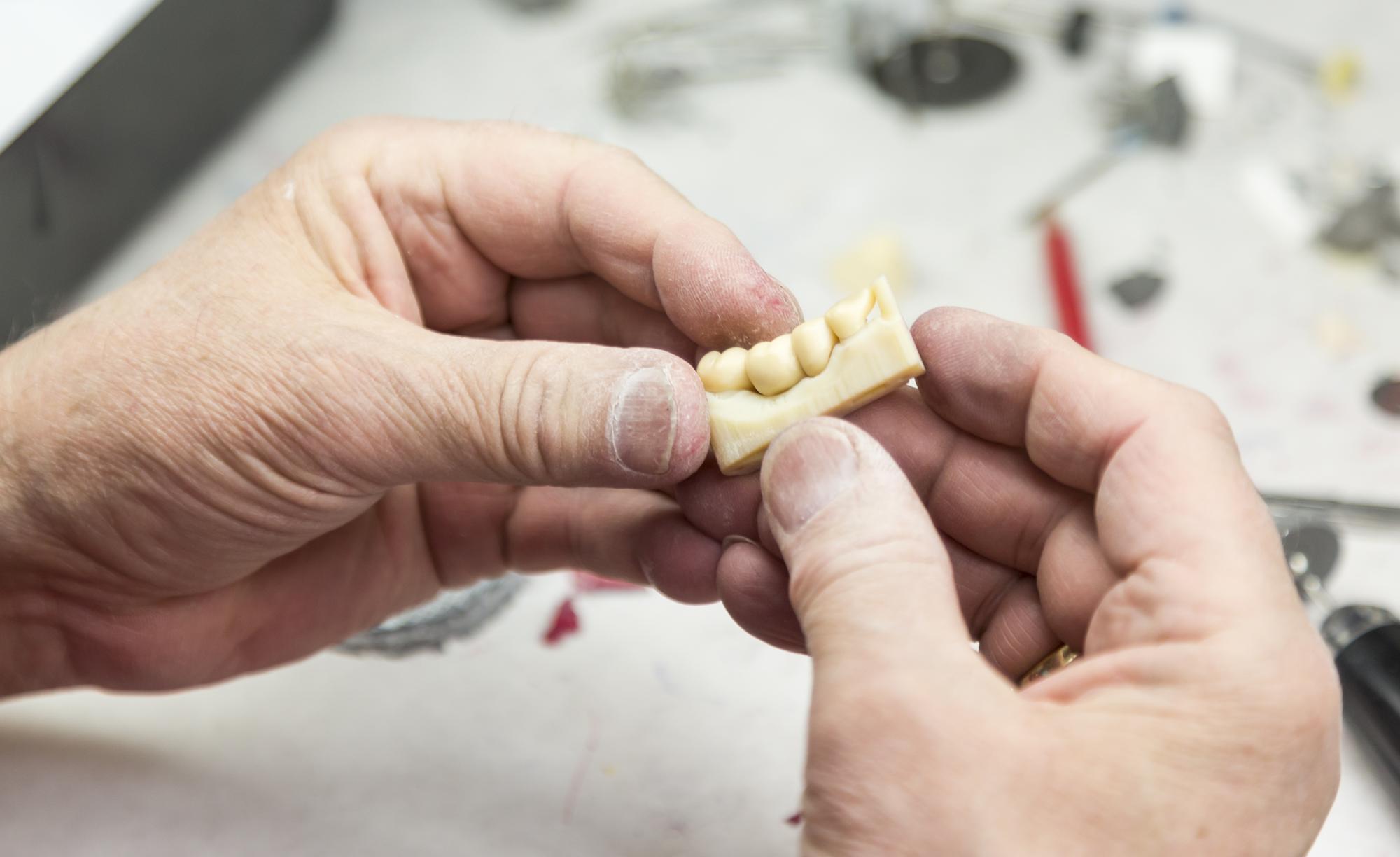
If you need a crown, you may be offered two paths: a crown milled and placed in a single visit, or a traditional crown made in a dental laboratory over a couple of weeks. Both are legitimate. They suit different situations, and the difference is worth understanding before you choose.
What a Crown Does
A crown is a cover that fits over a tooth, restoring its shape and protecting what remains of the natural structure underneath. Crowns are commonly recommended after root canal treatment, when a tooth has a large fracture or crack, when a filling is too large to be reliable, or where a tooth has worn substantially.
Whichever route you take, the objectives are identical: a strong restoration that fits precisely at the margins, functions correctly against the opposing teeth, and looks right.
The Traditional Crown Process
- First visit. The tooth is numbed and prepared, an impression or digital scan is taken, and a temporary crown is placed.
- In between. A dental laboratory fabricates your crown, typically over a couple of weeks. You wear the temporary during this period.
- Second visit. The temporary comes off, the permanent crown is tried in, adjusted for fit and bite, and cemented.
The main inconvenience is the temporary. They’re functional but not permanent by design — they can come loose, and you need to avoid sticky foods and be careful flossing around them.
The Same-Day Crown Process
- Digital scan. After the tooth is prepared, a scanner captures a precise 3D image — no impression material required.
- Design. The crown is designed on screen, contoured to your tooth and bite.
- Milling. An in-office milling unit carves the crown from a solid ceramic block while you wait.
- Placement. The crown is tried in, adjusted, characterized as needed, and bonded the same day.
One appointment, one round of numbing, no temporary, no second trip. For patients driving in from outside Shreveport, that’s a meaningful difference.
How They Compare
- Time. Same-day crowns finish in a single longer appointment. Traditional crowns take two visits over a couple of weeks.
- Temporaries. Same-day crowns skip them entirely, along with the risk of one coming loose.
- Materials. Same-day crowns are milled from ceramic blocks. Laboratory crowns can be made from a wider range of materials, including layered porcelain work and certain metal-based options.
- Esthetics. Both can look excellent. For a highly visible front tooth requiring intricate shading to match neighboring teeth, a skilled laboratory technician working by hand still has an edge.
- Convenience. Fewer appointments, less time off work, one round of anesthetic.
Which One Is Right for You?
Same-day crowns are often an excellent fit for back teeth, for patients who want to avoid multiple visits, for those who dislike impression material, and for straightforward single-tooth restorations.
A laboratory crown may be the better recommendation for front teeth needing complex color matching, for cases involving multiple units or a broader esthetic plan, for certain bite situations, or where a specific material is indicated.
The honest answer is that your dentist should recommend based on your tooth and your situation rather than on the technology available. If you want to know why one is being suggested over the other, ask — there should be a specific clinical reason.
How Long Do Crowns Last?
Longevity depends far more on how you care for the crown than on which process made it. The margin where the crown meets your tooth is still vulnerable to decay, so brushing, flossing, and regular checkups matter as much as ever. Grinding and clenching are the other major factor — if you clench, a nightguard protects your investment.
Frequently Asked Questions
How long does a same-day crown appointment take?
Longer than a typical filling appointment, since preparation, design, milling, and placement happen in one sitting. We’ll give you a realistic time estimate when we schedule.
Are same-day crowns as strong as lab crowns?
Modern ceramic materials are strong and well suited to most restorations. The right material depends on the tooth and the forces on it, which we discuss with you.
Does insurance cover crowns?
Most dental plans cover crowns when they’re clinically necessary, though coverage levels vary. Our team can help you understand your benefits before treatment.
Will the crown match my other teeth?
Shade is selected to match your surrounding teeth. For highly visible front teeth with complex coloring, we’ll discuss whether a laboratory-made crown gives a better result.
Does getting a crown hurt?
The tooth is numbed for the procedure. Some tenderness afterward is normal and typically brief.
Let’s Talk About Your Tooth
Southern Roots Dentistry offers same-day crowns in Shreveport alongside our other locations in Bossier City, Benton, Mansfield, Minden, and Stonewall. If you’ve been told you need a crown, we’ll walk you through both options and recommend the one that fits your case.
Request an appointment to get started.